

Cellulitis
Cellulitis is a skin infection causing redness, swelling, pain, and warmth, often accompanied by fever and nausea, and is more common in individuals with lymphoedema.
At St Margaret’s Hospice, we’re here to support everyone impacted by a life-limiting illness. Whether you’re a patient, carer, healthcare professional, or family member, we’ve gathered a range of resources, guidance, and educational programmes to help you navigate this journey with confidence and compassion.
Cellulitis is a skin infection causing redness, swelling, pain, and warmth, often accompanied by fever and nausea, and is more common in individuals with lymphoedema.
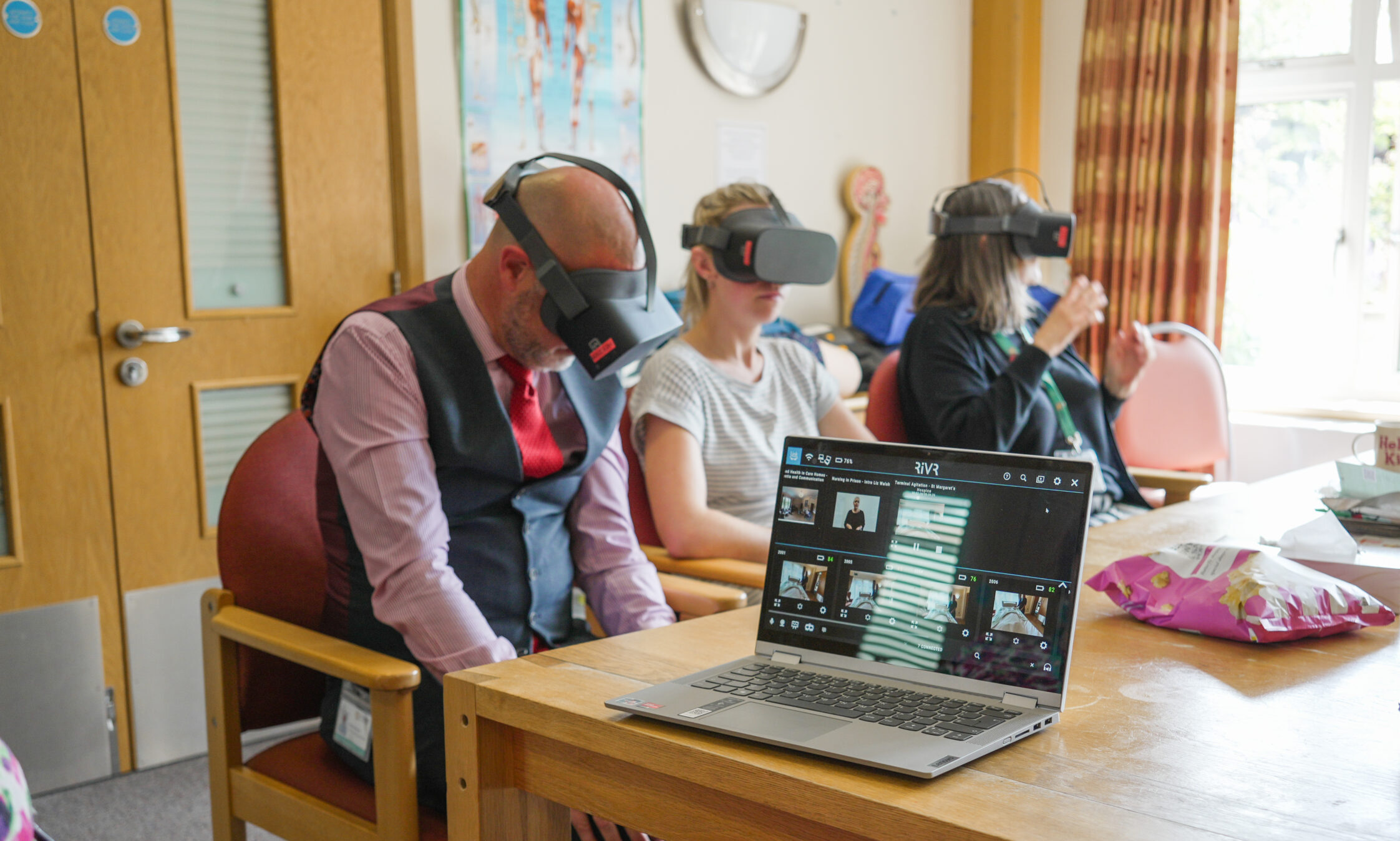
This Virtual Reality experience explores terminal agitation from a patient's perspective. It is intended to be used for educational purposes.
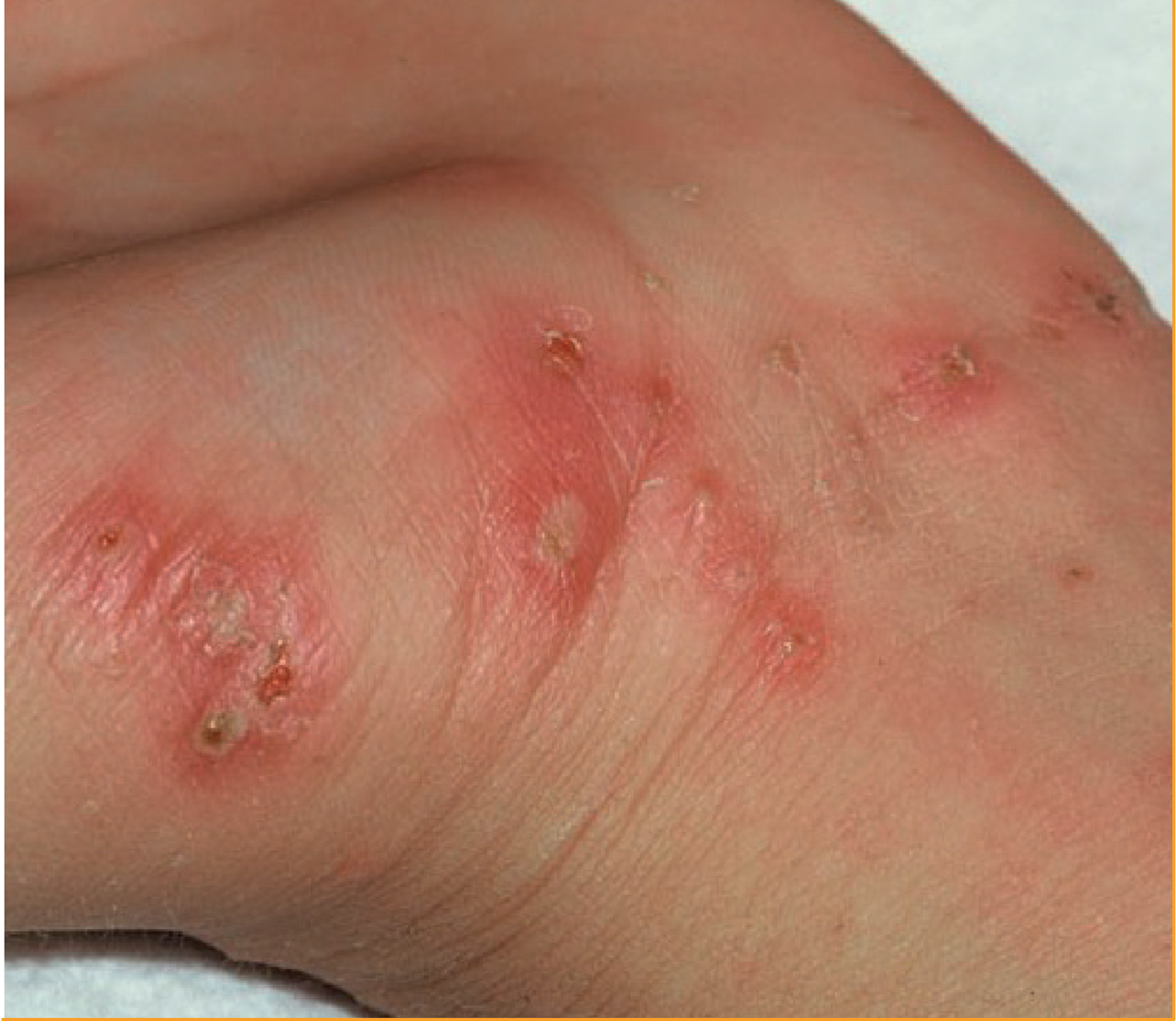
Scabies is a highly contagious, itchy skin infection caused by mites, spread through close contact or shared belongings. It can be treated with prescribed creams or lotions.
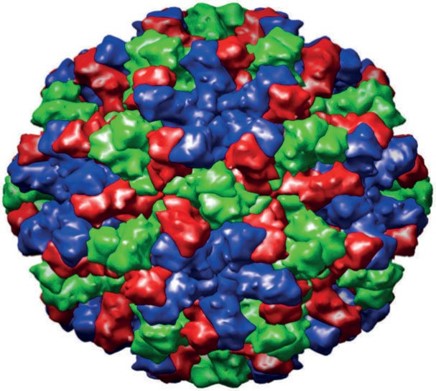
Norovirus, also known as the winter vomiting bug, is a highly contagious virus causing vomiting, diarrhoea, and abdominal pain.
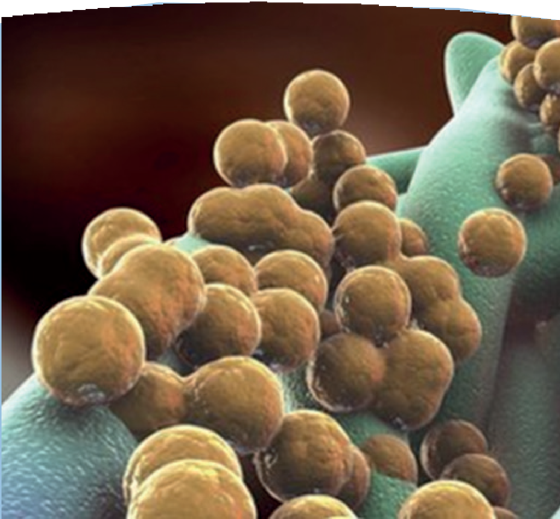
MRSA is a bacteria that can cause infections, particularly in people with weakened immune systems, and is treated with antibiotics or decolonization measures if necessary.

To minimize infection risks at home, clean regularly, wash hands frequently, especially after handling waste or food, and maintain hygiene in high-risk areas like kitchens and bathrooms.
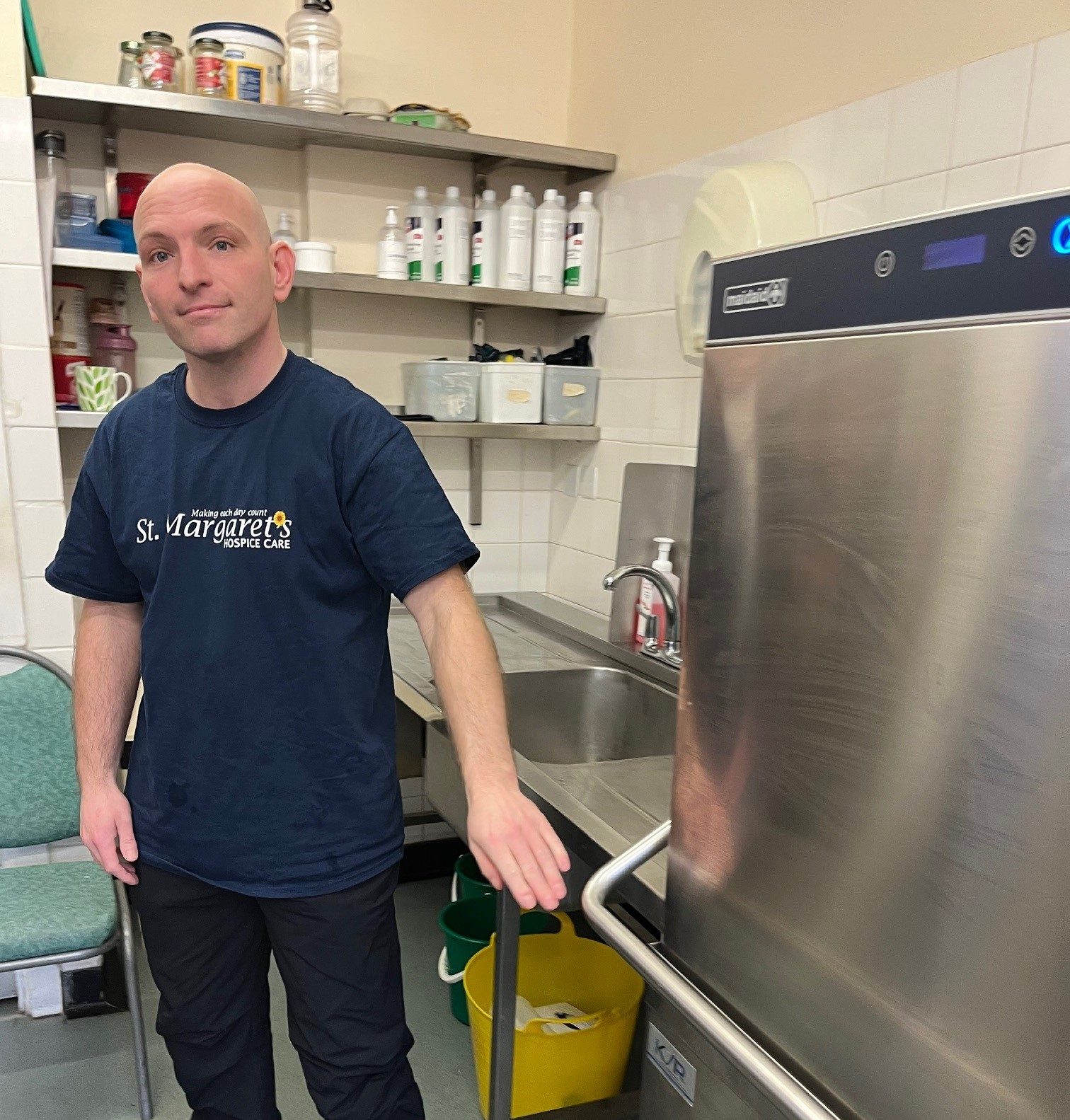
Good food hygiene practices for volunteers include handwashing, proper storage, using gloves, and preventing contamination to ensure patient safety.

Information about allergens in food, including 14 common allergens, and the risk of allergic reactions, including anaphylaxis.

ESBLs are bacteria found in the bowel that can cause infections, especially in those with weakened immune systems, and are spread through unwashed hands or contaminated equipment.