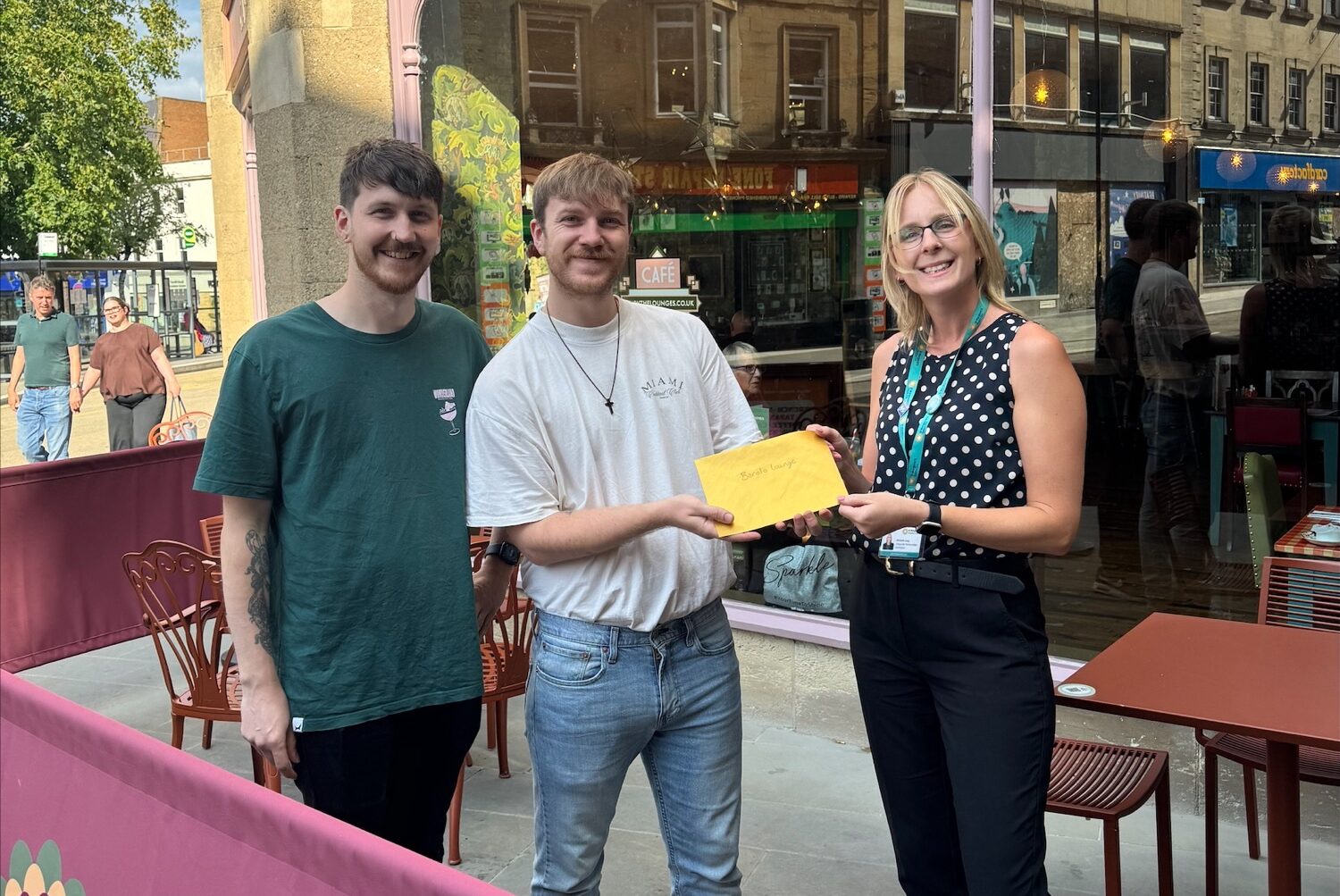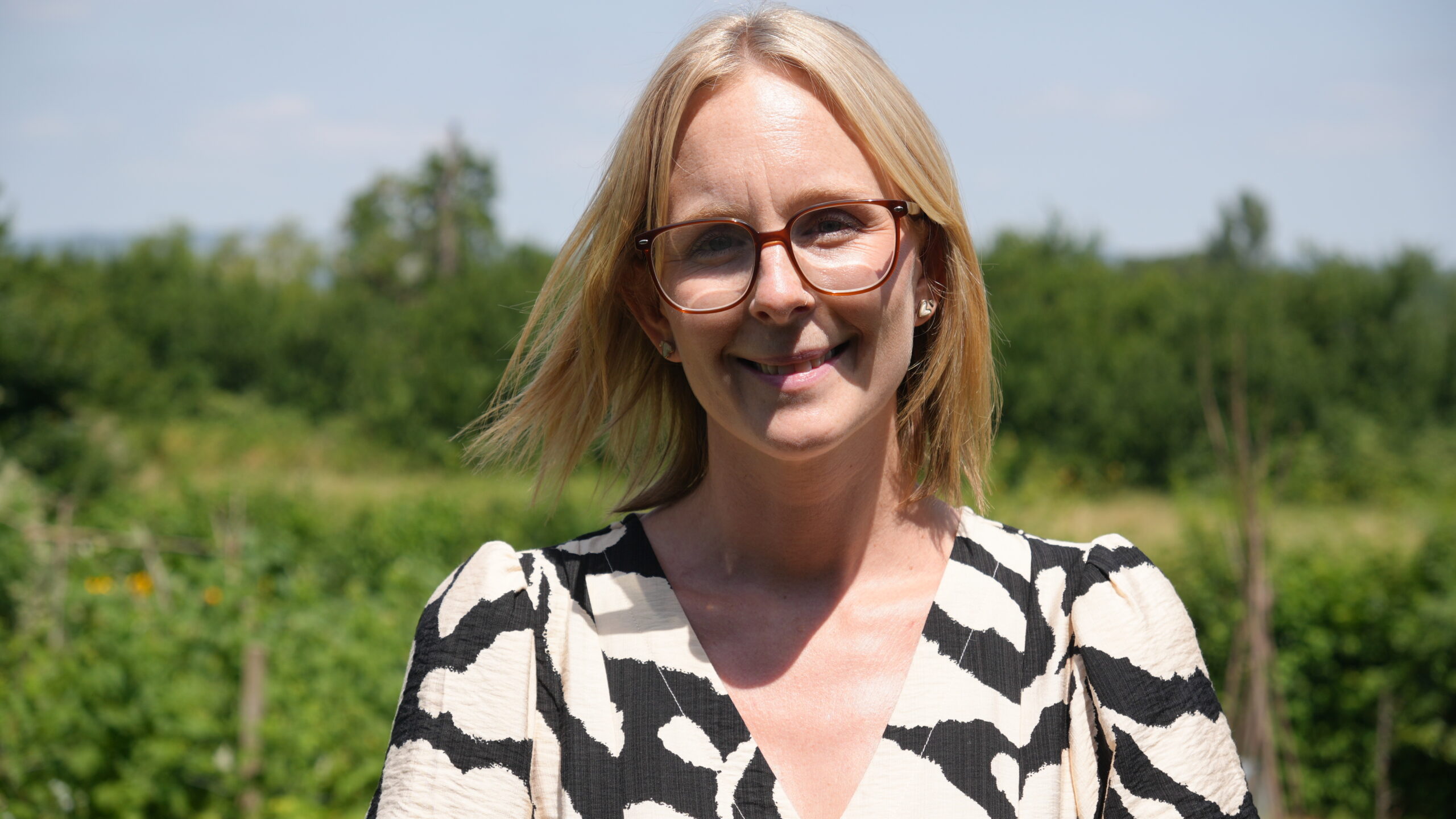
Michelle has been working in St Margaret’s Fundraising department since 2025, building and maintaining corporate partnerships, organising challenges, and securing sponsorship. But for Michelle, this is more than a job.
St Margaret’s had already touched her life back in 2020 – caring for her dad, Rob, at the end of his life.
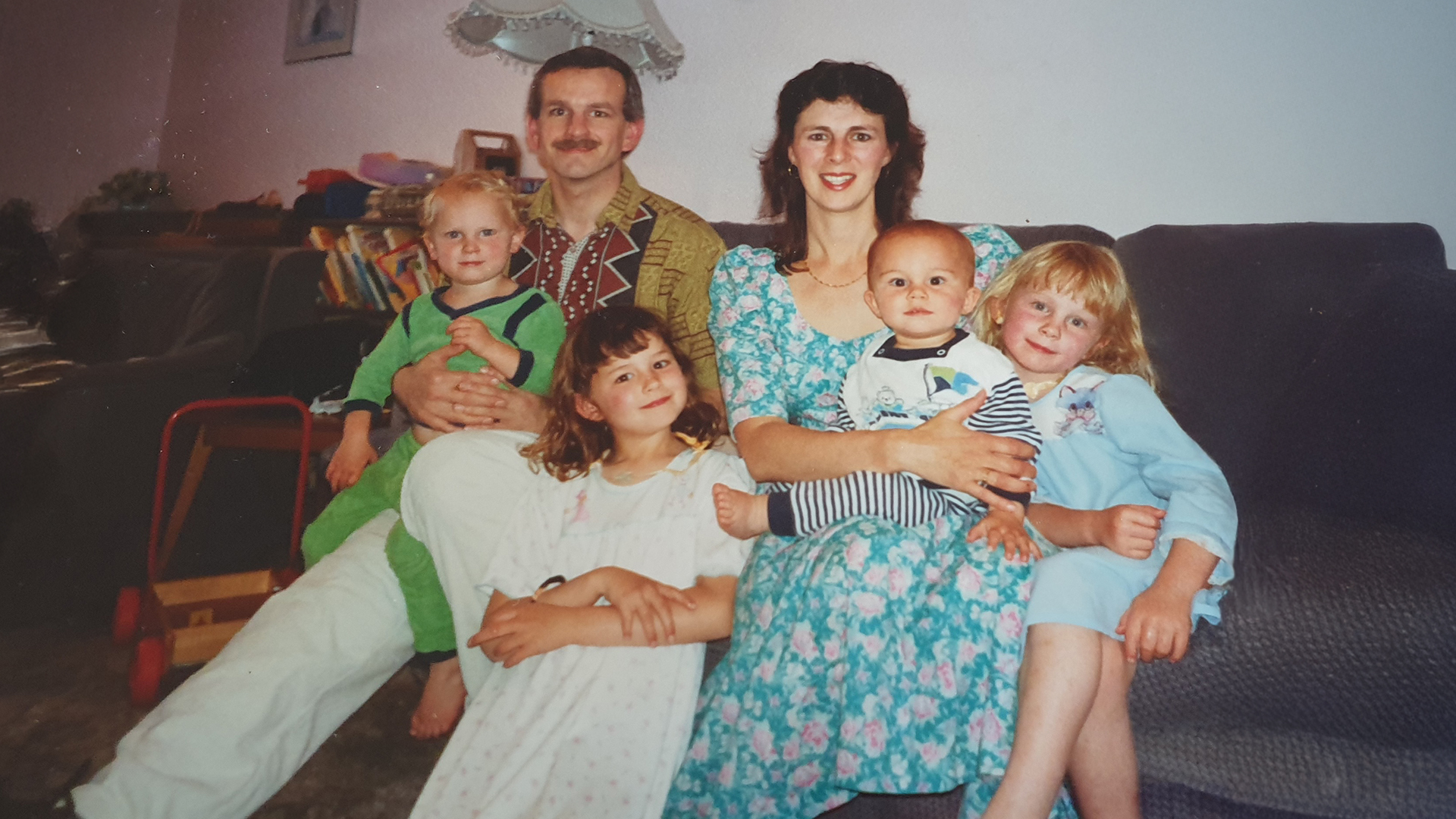
Talking to Michelle, it is clear that she comes from an incredibly close-knit family.
“I have so many wonderful memories growing up,” she says. “Camping, going away in the caravan, playing games. Then later in life, my dad and I used to share lifts together when we were both working in Taunton.”
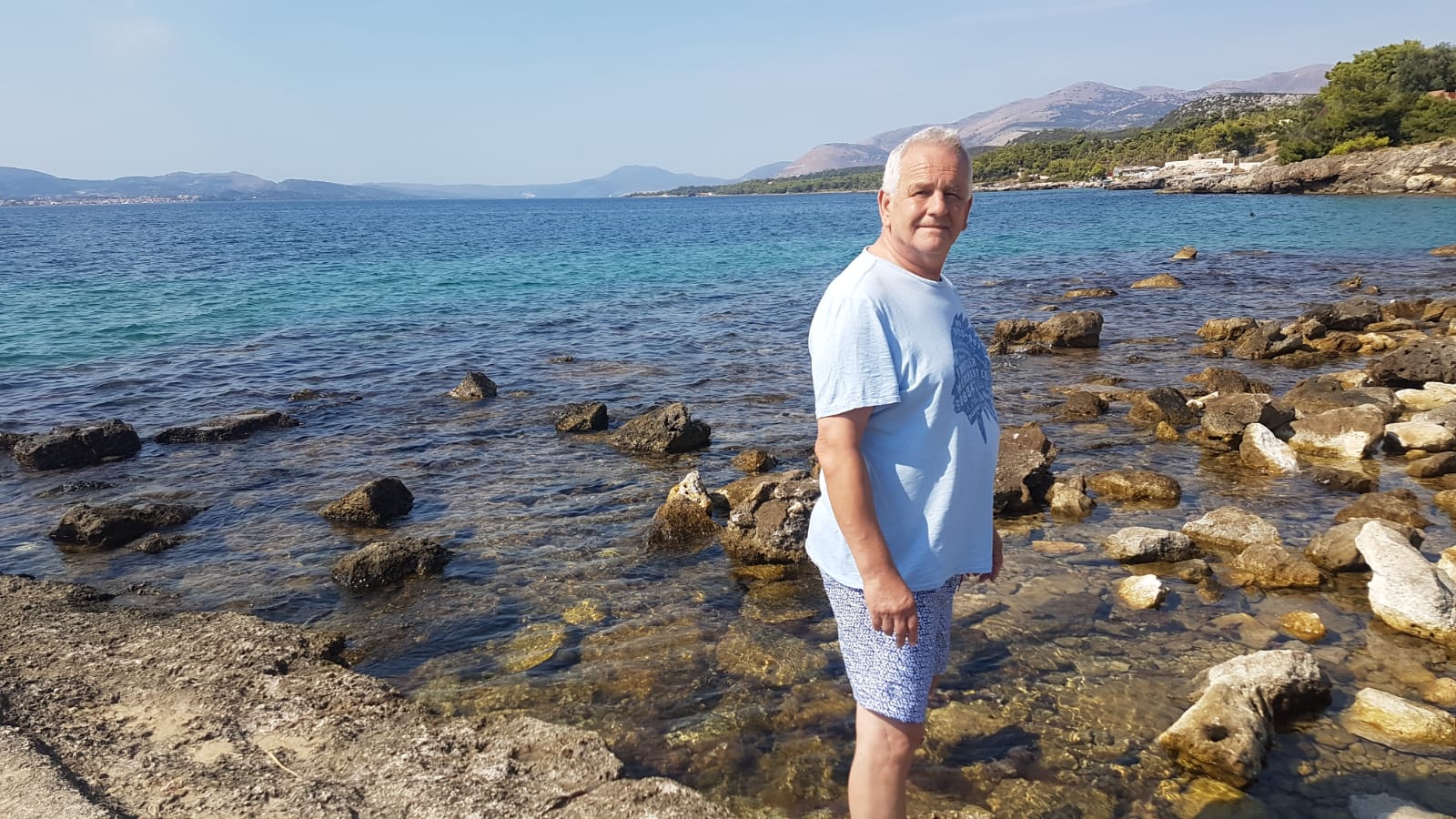
Rob was a kind and loving dad, with a passion for football and fishing. He loved being outdoors, and above all, spending time with family.
For his 60th birthday, Michelle’s mum organised a special trip for him.
“He’d seen a programme on the telly about how Bhutan is one of the happiest places in the world,” Michelle remembers. “And he kept saying he wanted to go there, so my mum organised a trip.”
But while they were away, Rob began to feel unwell. He became increasingly tired and itchy, and soon developed jaundice – his skin and eyes turning yellow.
“They originally thought he had a type of hepatitis,” Michelle explains, “But he got worse quite quickly and ended up going into hospital.”
It was there that they discovered Rob had bile duct cancer.
A series of treatments and procedures followed. A stent was inserted, but complications led to sepsis. Then, came the possibility of major surgery – a Whipple procedure – which offered a chance, however slim, of a cure.
Michelle remembers the long wait on the day of the operation.
“They weren’t able to remove the cancer,” she says. “It had actually spread.”
From that point on, the family knew the cancer was terminal.
They were told that people with that type of cancer often have around two years to live. Faced with that harsh reality, the family made a conscious decision to focus on the time they had left, going on holidays and spending special time together.
Over the following months, Rob was frequently in and out of hospital due to recurring infections.
“I think my mum counted on the discharge letter about 18 times of sepsis,” Michelle recalls. “His consultant said that it would be the sepsis that would kill him, not the cancer.”
Although life had changed, some things remained constant. The closeness of family never wavered.
“I’ve got a lovely family,” Michelle says. “We all took it in turns to make sure he had visitors every day, even when he was in Bristol.”
Where once they had shared lifts to work, Michelle now drove her dad to hospital appointments – holding on to that precious time together.
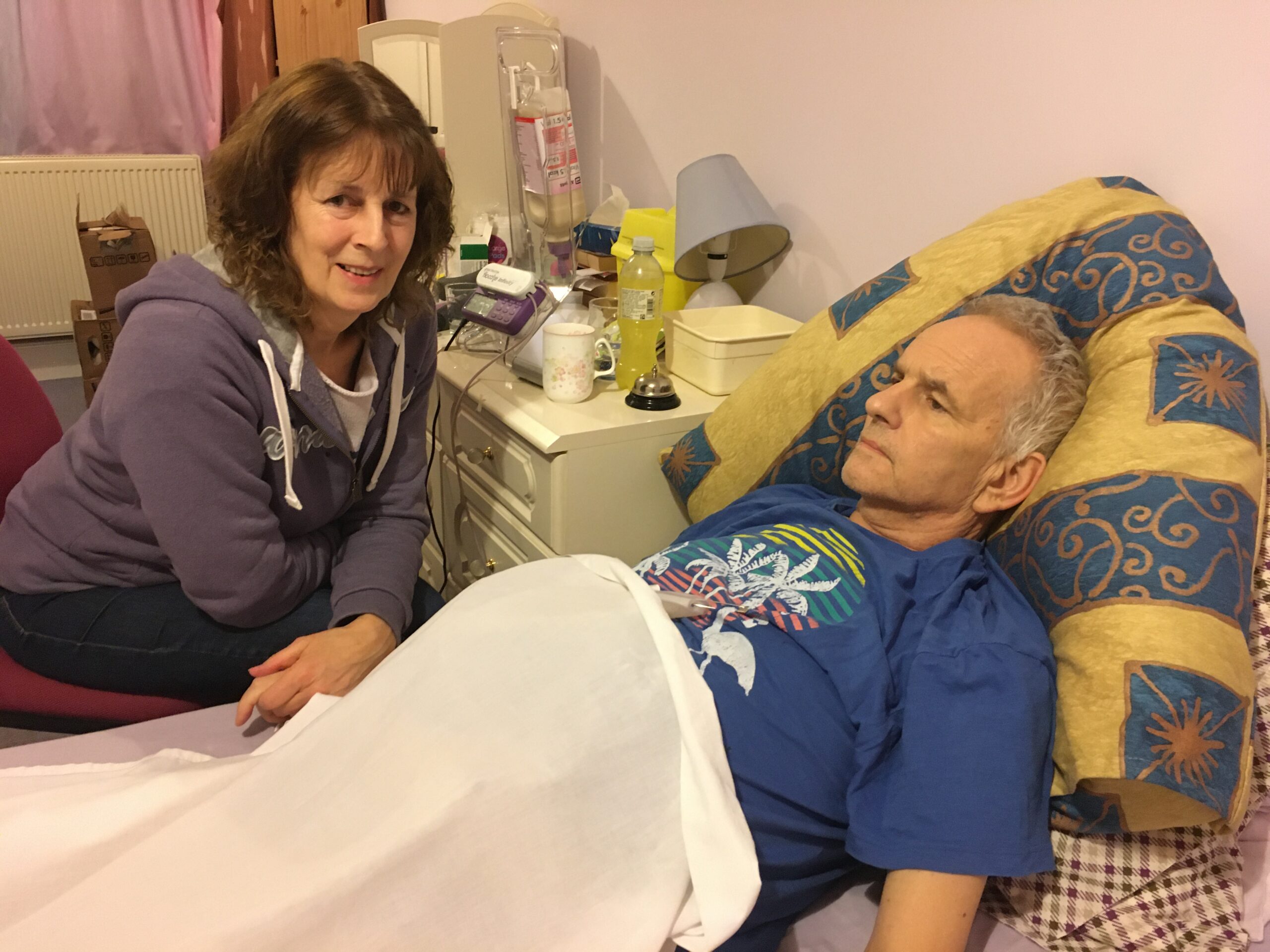
As his condition worsened, Rob became increasingly dependent on care. He was no longer able to eat, was fed through a tube and began experiencing distressing hallucinations at night. The strain on Michelle’s mum grew.
“She’d gone from being a wife to kind of his carer,” Michelle says.
Finding St Margaret’s
In early 2020, a district nurse first mentioned St Margaret’s Hospice.
“It felt scary at the time,” Michelle admits. “It was just a bit unknown.”
But that perception quickly changed.
When a St Margaret’s community nurse visited Michelle’s parents at home, their fears were swiftly eased.
“My mum remembers not just them talking about how they’d help my dad, but also how they’d help her,” Michelle says. “I think they realised how challenging it was for her.”
The support began straight away, both for Rob at home and for Michelle’s mum. Michelle remembers her mum coming into the hospice for some Reiki therapy.
“It was just wonderful for her – just that little bit of respite from that caring responsibility she was carrying at home.”
At first, Rob was determined to stay at home. But as his needs became more complex, it became harder to manage.
“We had two nurses come out from St Margaret’s and they shared more about what they could do,” Michelle says. “And they just made it not scary.”
Soon after, Rob agreed to come into the hospice.
The In-Patient Unit
From the moment Rob arrived, the difference was immediate.
“I remember my mum saying there was just this weight lifted,” Michelle says. “It wasn’t that she didn’t want to care for him, but she was exhausted. When you’re looking after somebody, it’s hard to be fully present.”
The environment itself was not what they had expected.
“We were in a really lovely side room – it was homely, it didn’t feel clinical, it didn’t feel like a hospital. The doors looked out into the gardens and there were bird tables so my dad could watch the birds.”
For a family who had always been so close, what mattered most was being together – and the hospice made that possible.
“We were able to come and go whenever we wanted. We could bring the kids in – I remember my two young children getting into bed with him.”
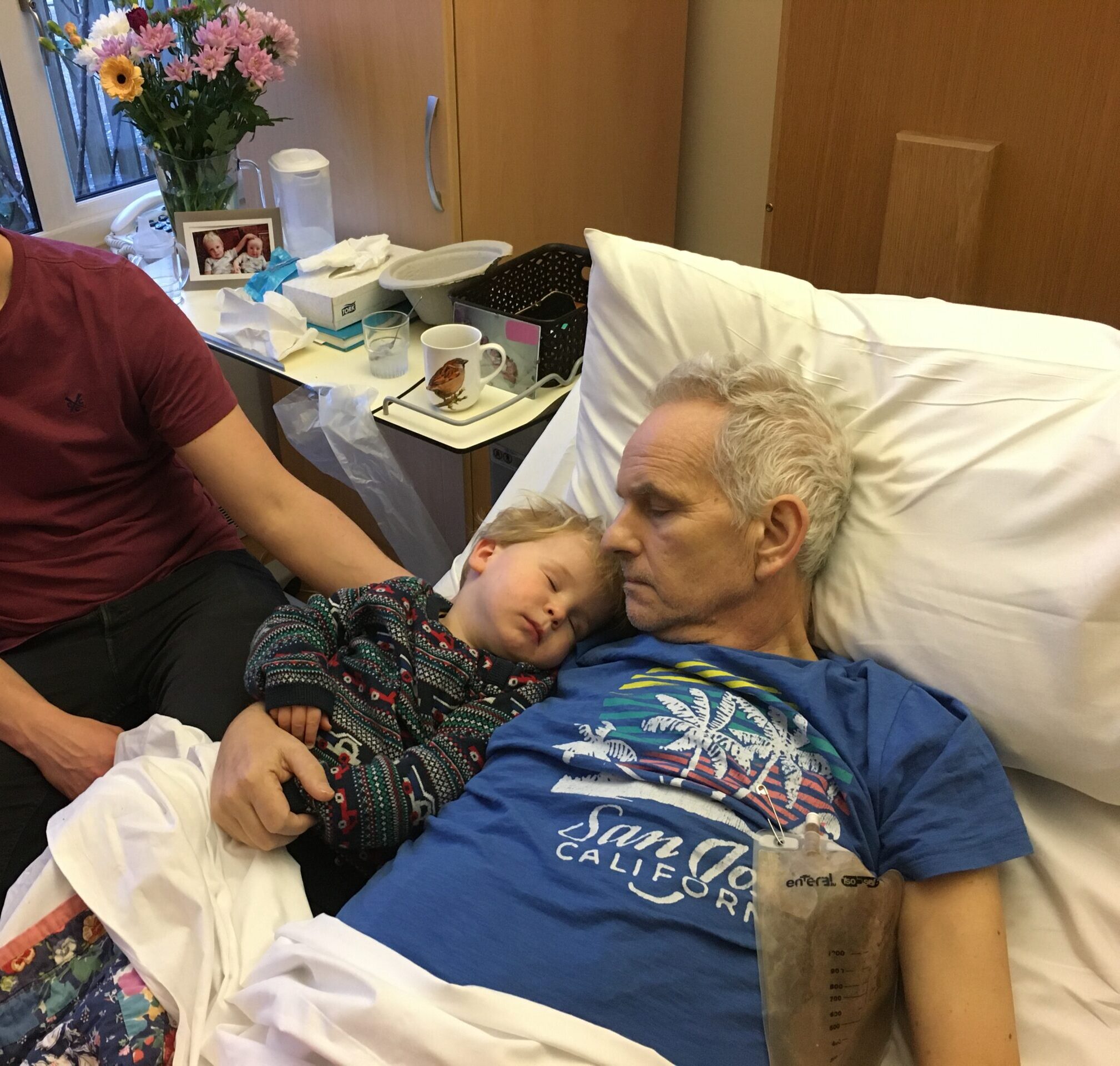
“My mum could be more present, more there for him as a wife. We had our space and we could treat it like home. It just felt like it allowed us to be a family again.”
Michelle’s memories of the hospice remain incredibly positive.
“None of us knew what to expect. But it wasn’t what we thought. It was a very welcoming place.”
“My mum speaks about the little things that weren’t little at the time. The volunteers that just came and had a chat with her. The little kitchen that family and friends can use. The playroom for the kids. Being able to order food off the menu and eat together in the lounge.”
And throughout it all, Rob was treated with dignity.
“The staff just genuinely cared so much, and treated Dad with dignity. That was really important, not just for him, but also for us.”
As Rob reached the final stage of his life, the family were offered the Sunflower Suite, allowing them to stay onsite.
“The day that he died, me, my mum and my two brothers were in the room with him. We did a puzzle, just kind of making small talk, and we knew he was listening and could hear us. There was no pressure – we had nothing to do other than be there with him.”
Michelle’s sister was travelling back from France, hoping to arrive in time. Sadly, Rob died before she could get there.
But even then, the hospice continued to care.
“They just let him stay there, in the room. They made him look really nice. There was no pressure that he needed to be anywhere else or that they needed the room. And when my sister got here, she was able to come and see Dad and spend time with him.”
Michelle will be forever grateful. “They were still caring for him, even though he’d died -but they were also caring for us.”
“My mum said that if she became ill now, and could benefit from hospice care, she absolutely wouldn’t hesitate. Because now she’s been here and she knows what it’s like. She just wishes we’d known earlier what they could have done for us.”
Working at St Margaret’s
For Michelle, taking on a role at St Margaret’s was something she truly wanted.
Before her dad became ill, hospice care had felt distant – something she vaguely understood, but had never experienced. “I think a hospice is somewhere that you don’t think about,” she reflects. “You don’t want to think about end of life.”
“But we were blown away by the support, the care, the compassion. So, after my dad died, I remember thinking I want to work there, I want to be able to do something.”
When the role of Corporate Partnerships Fundraiser came up, Michelle hesitated. She didn’t have experience directly in fundraising. “But I just knew I wanted to come and work here so I filled in the application form.”
She was offered an interview – and the rest is history.
“It was somewhere I’d never thought about working had I not had that experience. If my dad hadn’t been cared for by St Margaret’s, I wouldn’t be sat here now. “
Now, Michelle plays a role in helping ensure that the same care is there for other families when they need it most.
“A few people have said to me, if you work at a hospice, isn’t that quite a depressing place to work? And it’s absolutely not,” Michelle says. “I love coming to work. Everybody is so welcoming, so friendly, so helpful. Everybody, no matter their role, genuinely really does care.
“I find it a joyous place to work, because I see the difference it makes to people when the time is so difficult,” she says. “It’s just such an amazing place.”