
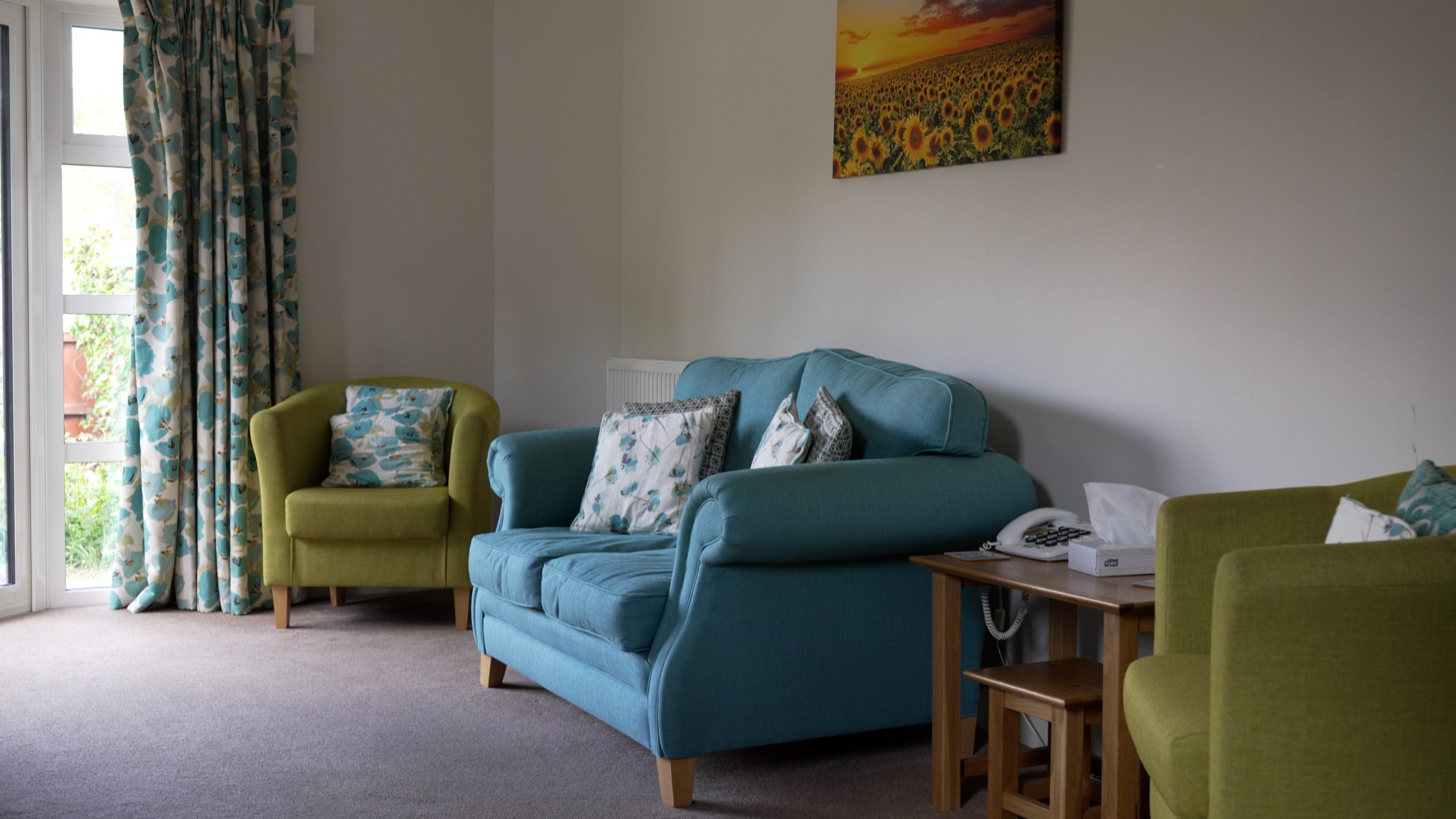
Sunflower Suites
Sunflower Suites are self-contained flats within the In-Patient Unit, offering patients and their families a comfortable space to receive tailored support during their stay.
At St Margaret’s Hospice, we’re here to support everyone impacted by a life-limiting illness. Whether you’re a patient, carer, healthcare professional, or family member, we’ve gathered a range of resources, guidance, and educational programmes to help you navigate this journey with confidence and compassion.
Sunflower Suites are self-contained flats within the In-Patient Unit, offering patients and their families a comfortable space to receive tailored support during their stay.
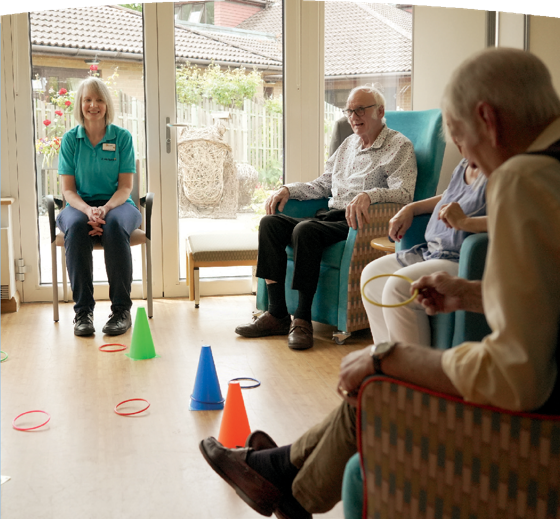
The Sunflower Centre offers specialist support for patients with life-limiting illnesses, providing physical, emotional, and social care to help patients maintain independence and improve their quality of life.
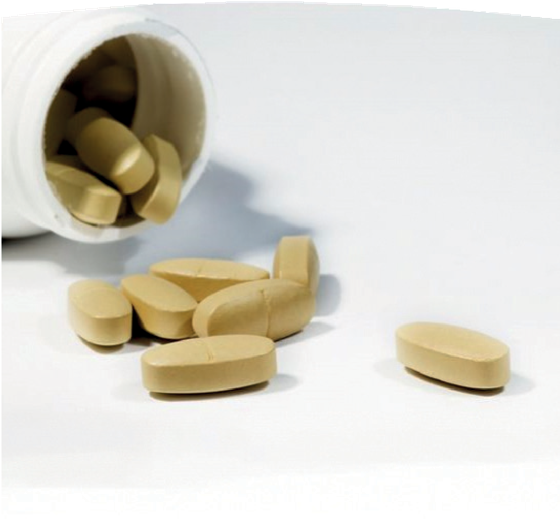
Strong opioids, like morphine and oxycodone, are used to manage severe pain and related symptoms.
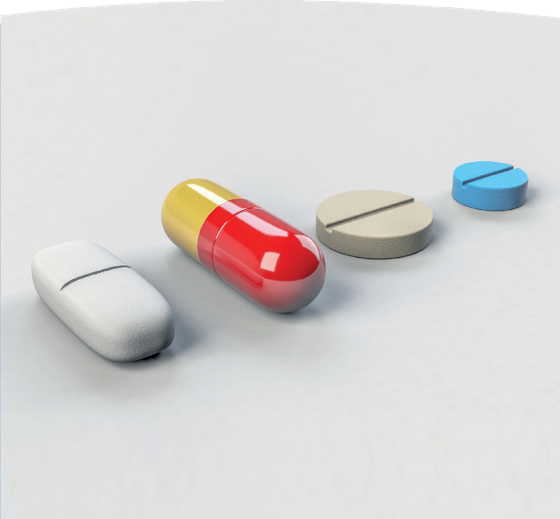
A self-administration scheme allows eligible patients to manage their own medication with staff support.

The Integrated Palliative Care Clinic at St Margaret’s Hospice Care provides a holistic approach to symptom control and improving quality of life for individuals with life-limiting illnesses through medical support, complementary therapies, and lifestyle advice.
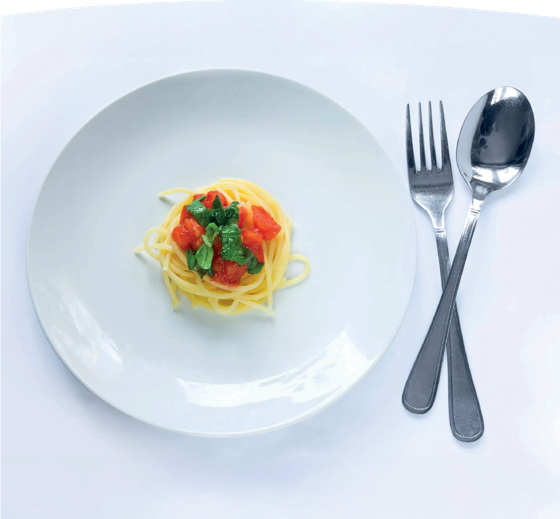
This page provides tips for managing a small appetite by focusing on nourishing foods, high-calorie snacks, and easy meal ideas.

This resource provides essential guidance on how medications, including strong painkillers, can impact your ability to drive safely and legally.

This resource explains what cardiopulmonary resuscitation (CPR) is and how decisions are made about it.
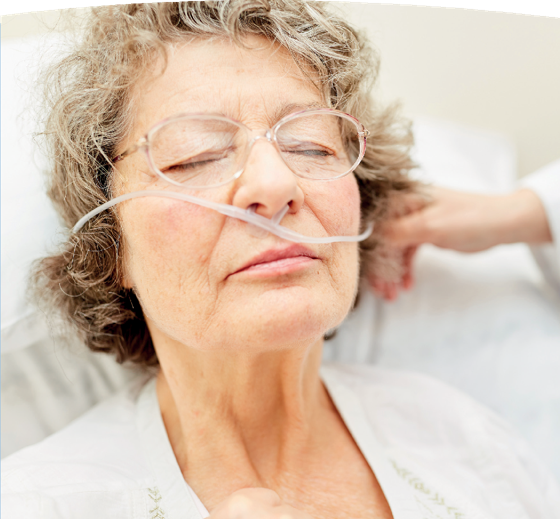
This resource highlights the risks associated with oxygen therapy, including fire hazards, smoking dangers, and the use of oils and electrical devices