
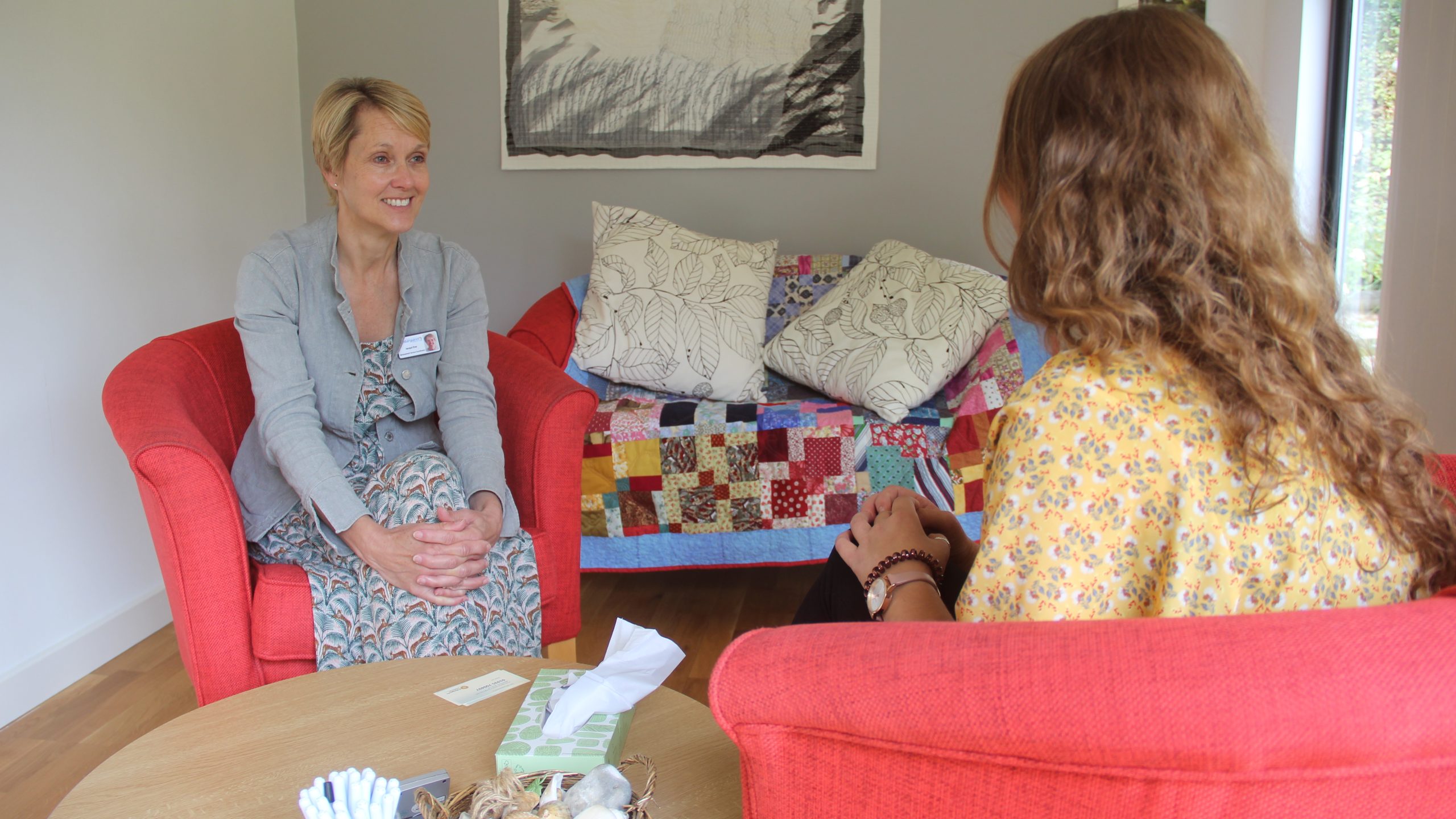
Understanding grief
Grief might stem from:
- The death of a loved one
- Divorce or separation
- Loss of a job or financial security
- Miscarriage or infertility
- Loss of identity or independence
- The death of a pet
- Major life transitions.
However loss manifests, its emotional impact is real. Grief may involve sadness, anger, guilt, confusion, anxiety, numbness — or sometimes no strong feelings at all. This is natural.
Grief can affect our minds, bodies, and behaviours in profound ways. Some common effects include:
- Physical symptoms: disrupted sleep, appetite changes, fatigue
- Emotional symptoms: sadness, anger, anxiety, guilt, numbness, mood swings, depression
- Behavioural changes: forgetfulness, social withdrawal, increased worry, loss of motivation.
Some days will feel manageable. Others may feel overwhelming. There may be moments of unexpected laughter or sudden tears. These are all normal.
The widely recognised stages of grief — denial, anger, bargaining, depression, and acceptance — don’t always arrive in a neat order, nor does everyone experience each one. For many, grief comes in waves, and it can resurface months or even years later.
How you can support someone who’s grieving
Whether you are grieving or supporting someone who is, small gestures can make a meaningful difference.

In the first weeks after loss
- Offer practical help: cook a meal, help with the school run, run errands, or clean the house. These tasks may feel overwhelming for the bereaved.
- Keep in touch: A simple text, phone call, or FaceTime can remind someone they are not alone.
- Most importantly, be there to listen, without judgement or pressure.
Over the first few months
- Remember that grief doesn’t disappear after the funeral.
- Continue to check in — send a message, drop off a card, invite them for a walk or coffee.
- Acknowledge their ongoing pain — validation is powerful.
On anniversaries and special dates
- Recognise significant dates such as birthdays, anniversaries, or holidays.
- Let them know you remember too — this can ease the feeling of isolation.
- Share memories, offer companionship, and let them laugh, cry, or simply sit in silence.
Always remember that it’s OK to laugh and it’s always OK to cry and that life can feel less tough when shared.
How you can recognise grief
Whether you’re grieving or supporting someone who is, here are some ideas:
- Take time for self-care — a walk, journaling, meditation, or something creative
- Remember a loved one — light a candle, visit a special place, or start a memorial tradition
- Reach out to someone you know who is grieving — a short message can mean everything
- Share resources like St Margaret’s services to encourage conversations about grief
- Join a grief support group to connect with others and ease the feeling of isolation
You are not alone
St Margaret’s Bereavement Team offers a range of services for bereaved families, friends, carers and the professionals who support them.

Learn more about our services
Discover bereavement resources